Are Water Softeners Worth It in South Florida?
South Florida's water isn't extremely hard, but it's hard enough to cause real, cumulative effects over years of daily use. Here's an honest, practical look at whether a softener is genuinely worth the investment for a typical local household.
What to do before installing or adjusting a softener yourself
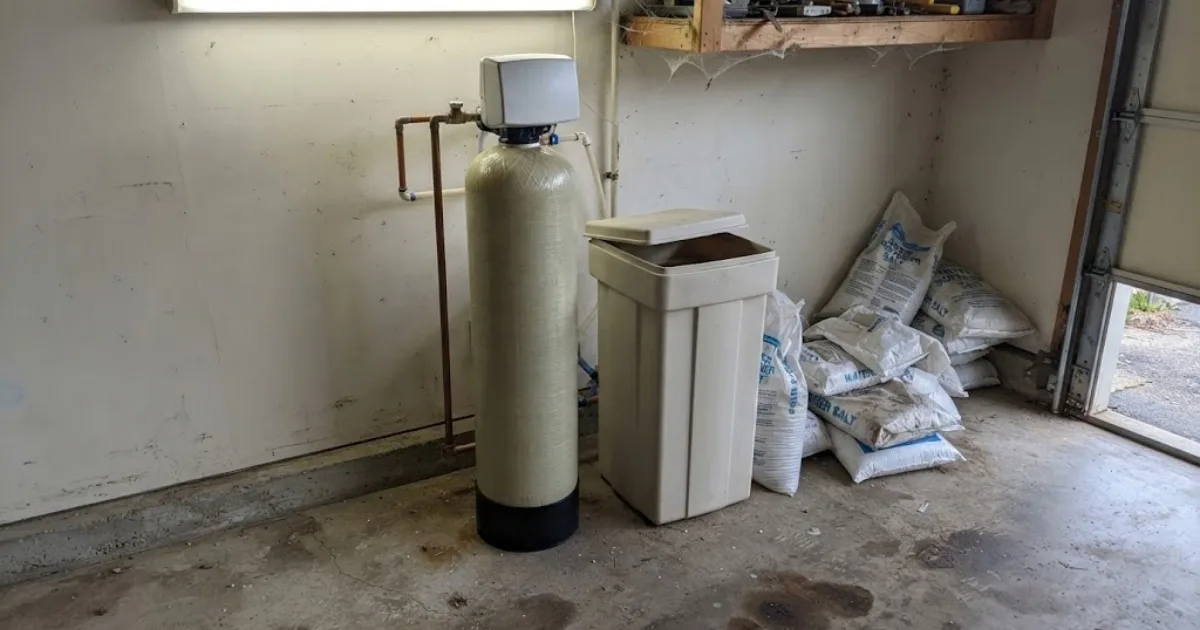
Shut off the main water supply and relieve system pressure before disconnecting any existing plumbing to install or move a softener, and confirm the bypass valve is accessible in case the system needs to be taken offline quickly for a future repair.
How hard is South Florida's water, really
South Florida's water registers as moderately hard, not in the severe range seen in parts of the Midwest or Southwest, but hard enough to cause real, if gradual, effects: scale buildup inside water heaters, spotting on fixtures and glassware, and soap that doesn't lather as easily as it would with softer water. None of these are dramatic day to day, but they add up meaningfully over years of use.
Where the cumulative cost actually shows up
A tankless water heater's heat exchanger scales up faster in hard water, requiring more frequent descaling than the manufacturer's baseline recommendation. A standard tank unit's efficiency drops as sediment builds up at the bottom, effectively shortening its useful life. Fixtures develop mineral deposits that restrict flow over time, and appliances like dishwashers and washing machines can see reduced efficiency and a shorter lifespan from the same mineral buildup.
What a softener actually costs, upfront and ongoing
Installation is a several-hour job in most homes with an accessible main water line, a one-time cost. Ongoing costs are mainly salt, refilled periodically, a modest recurring expense compared to the appliance and fixture wear it helps prevent. For a household on a septic system, salt-based softener discharge is worth discussing specifically, since regular brine discharge can affect septic system bacteria over time in ways a salt-free conditioner alternative avoids.
Salt-based versus salt-free: a real distinction
A traditional salt-based softener actually removes hardness minerals through ion exchange, which is the more effective option for a household seeing real scale buildup. Salt-free conditioners alter mineral structure rather than removing it, reducing scale formation without technically softening the water, a meaningful difference worth understanding rather than assuming the two options are interchangeable.
The honest answer: it depends on the household
A household that's already replaced a tankless heat exchanger, deals with visible scale on fixtures, or has appliances failing earlier than expected likely sees real value in a softener. A household with no noticeable symptoms and no particular concern about long-term appliance wear may reasonably decide the upfront cost isn't worth it for their specific situation. There's no universally correct answer, only what makes sense for a specific home's actual usage and appliances.
Signs a household is actually dealing with hard water symptoms
White, chalky spots on dishes and glassware even after washing, a filmy residue on shower doors and tile that's hard to remove, laundry that feels stiff or scratchy compared to when it's washed elsewhere, and soap or shampoo that seems to require more product than expected to lather are all everyday signs of hard water worth noticing before assuming a softener isn't necessary.
How a softener interacts with other water treatment systems
A household already using a whole-home filtration system for taste, odor, or sediment can add a softener as a complementary system rather than a replacement, since the two address different water quality concerns entirely. The typical setup places the softener before other filtration components in the water line, softening the water before it reaches systems that benefit from reduced mineral content, like a reverse osmosis drinking water system under the sink.
Related Reading
For installation and repair specifics, water softener installation & repair covers the details, and tankless water heater service explains the direct connection between hard water and heat exchanger scaling. Coverage includes Pompano Beach and the surrounding cities on the service area page.
Water Softener Value Questions
Will a softener make my drinking water taste different?
Some people notice a slight taste difference from the added sodium, though it's minimal. A separate reverse osmosis system under the sink is an option for drinking water specifically if this is a concern.
How long does a water softener actually last?
The resin typically lasts 10 to 15 years with normal maintenance, though the control valve and other components can need repair before the resin itself wears out.
Does a softener affect water pressure?
No, a properly sized softener has minimal effect on household water pressure or flow rate.
Is a softener worth it for a smaller household?
It depends more on whether the household is actually seeing real hardness symptoms, like scale, spotting, or appliance wear, than on household size specifically alone.
Can a softener be added later if I skip it during initial water heater install?
Yes, a softener can be added at any time as a standalone addition to the home's water line, without needing to redo the water heater installation itself.
Does a softener need professional maintenance visits?
Beyond refilling salt, most modern softeners need minimal professional maintenance, though an occasional check of the control valve and resin condition is worthwhile every few years.
Can hard water damage a dishwasher over time?
Yes, mineral buildup inside dishwasher components can reduce efficiency and shorten the appliance's lifespan, one of the less visible but real costs of untreated hard water.
Can a whole-home softener be added to a home with well water instead of city water?
Yes, though well water often has additional considerations like iron content that may call for supplementary filtration alongside the softener.
Does softened water affect houseplants or gardens if used for watering?
Most experts recommend using unsoftened water for plants, since the added sodium in softened water can build up in soil over time and affect certain plant species.
Is bottled water a reasonable alternative to installing a softener?
For drinking water specifically, yes as a short-term measure, but it doesn't address the broader household effects on appliances, fixtures, and water heaters that a softener handles more completely.