Water Mitigation in Pompano Beach, FL | 24/7 Response
Stopping standing water from spreading and turning into structural or mold damage, in the hours right after a leak or flood.
Mitigation versus restoration, and why the distinction matters
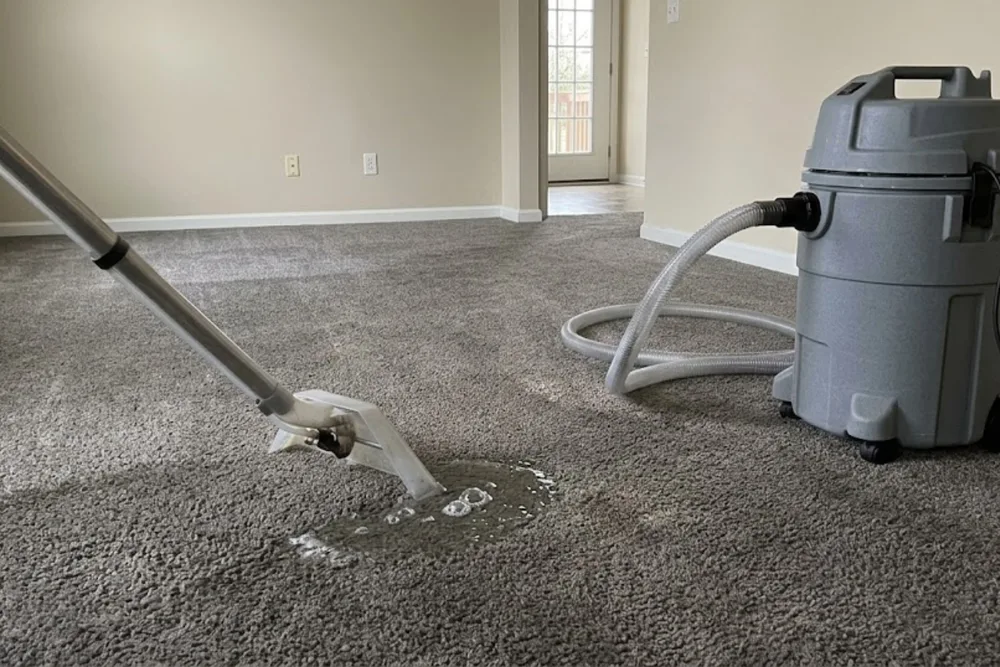
Mitigation is the immediate response, extracting standing water, setting up drying equipment, and stopping the damage from spreading further into materials that are still salvageable. Restoration is the fuller process afterward, repairing or replacing whatever mitigation couldn't save. The two overlap in practice and are handled through the same dedicated line as water damage restoration, but mitigation specifically is about speed: every hour water sits is more material that moves from salvageable to not.
What happens in the first hours
Standing water gets extracted first, using pumps or extraction equipment depending on volume, before anything else. Moisture readings across the affected area follow immediately, which determines exactly how far water has traveled beyond what's visible, since it wicks sideways through drywall and under flooring well past the obvious wet spot. Industrial air movers and dehumidifiers go up based on those readings, not a fixed setup, since a small bathroom leak and a whole-room flood need very different equipment.
In Pompano Beach's humidity, this initial response matters even more than it would in a drier climate, since the window before mold becomes a real risk is shorter here than in most of the country.
What to do before mitigation crews arrive
Shut off the water source if it's still actively leaking and safe to reach. Avoid electrical appliances in or near standing water, and move furniture and valuables to a dry area if possible. Photograph the damage before moving anything, since that documentation helps with both mitigation planning and any insurance claim.
Working with insurance during mitigation
Most homeowner policies cover sudden water damage, a burst pipe or an appliance failure, differently than gradual damage from a long-term leak, which is part of why fast mitigation matters for the claim itself, not just the property. We document moisture readings, affected materials, and the timeline of response as standard practice, which supports a claim regardless of how it's ultimately decided.
We aren't part of the insurance claim itself and can't guarantee coverage outcomes, but providing accurate, timely documentation is the most useful thing we can do to support a homeowner through that separate process.
Mold prevention during the mitigation window
Beyond drying equipment, keeping affected areas ventilated and avoiding sealing off a wet room completely during the drying process helps prevent the trapped humidity that lets mold start growing. We monitor humidity levels throughout the process rather than assuming a fixed number of days of drying equipment automatically solves the underlying moisture problem.
What Actually Affects Cost
- How long water sat before mitigation started
- Square footage and material types affected
- Equipment needed (extraction, air movers, dehumidifiers)
- Documentation needs for an insurance claim
Most homeowner insurance policies cover a sudden, accidental plumbing failure, a burst pipe, for example, but not gradual wear or a line that failed from ordinary age-related corrosion. That's the honest baseline to plan around rather than assume coverage applies.
Want your real number for this job? Call (833) 521-1033.
Related Services in Pompano Beach
Water mitigation and water damage restoration are closely related and reachable through the same dedicated line, separate from the rest of the site's standard number. The plumbing issue that caused the water, whether that's a burst pipe, a slab leak, or a sump pump failure, still needs its own fix through leak detection, repiping & whole-home pipe replacement, or sump pump installation & repair depending on the cause.
Water Mitigation Questions
How is water mitigation different from restoration?
Mitigation is the immediate response, stopping the spread and extracting standing water. Restoration is the fuller repair process afterward. Both are handled through the same dedicated line.
How fast do you respond to active flooding?
This line runs 24/7 specifically for mitigation and water damage calls, since the drying window matters more the longer standing water sits.
Do you also fix the pipe or issue that caused the flooding?
That's handled separately through the standard plumbing line, since the repair itself is a different service from mitigation and restoration.
Do you provide temporary repairs to stop water while waiting for parts?
Where possible, yes, a temporary shutoff or containment measure to limit ongoing damage while a fuller repair or specific part gets arranged.
How do you decide what materials can be dried versus need removal?
Moisture meter readings and material type together determine this. Some materials like solid wood can often be dried in place. Others like saturated drywall or particleboard typically can't be saved once fully soaked.
Can mitigation equipment run while I'm not home?
Yes, drying equipment is designed to run unattended, though we'll walk through what to expect and when we'll be back to check progress before leaving the property.
How soon after mitigation can repairs to the space begin?
Once moisture readings confirm materials are sufficiently dry, which we verify with equipment rather than guessing based on how the area looks or feels.
Does furniture need to be removed from the property during drying?
Not always. Furniture that isn't saturated can often stay in place with airflow directed around it, while soaked upholstered pieces are assessed individually for whether drying or removal makes more sense.
Is odor after water damage normal during the drying process?
A mild, temporary odor from wet materials drying is common and usually resolves as drying finishes. A persistent or worsening smell is worth flagging, since it can indicate an area not drying as expected.