
Emergency Sump Pump Installation & Repair in Pompano Beach, FL
Installed or fixed before the next heavy rain, not after water is already in the house.
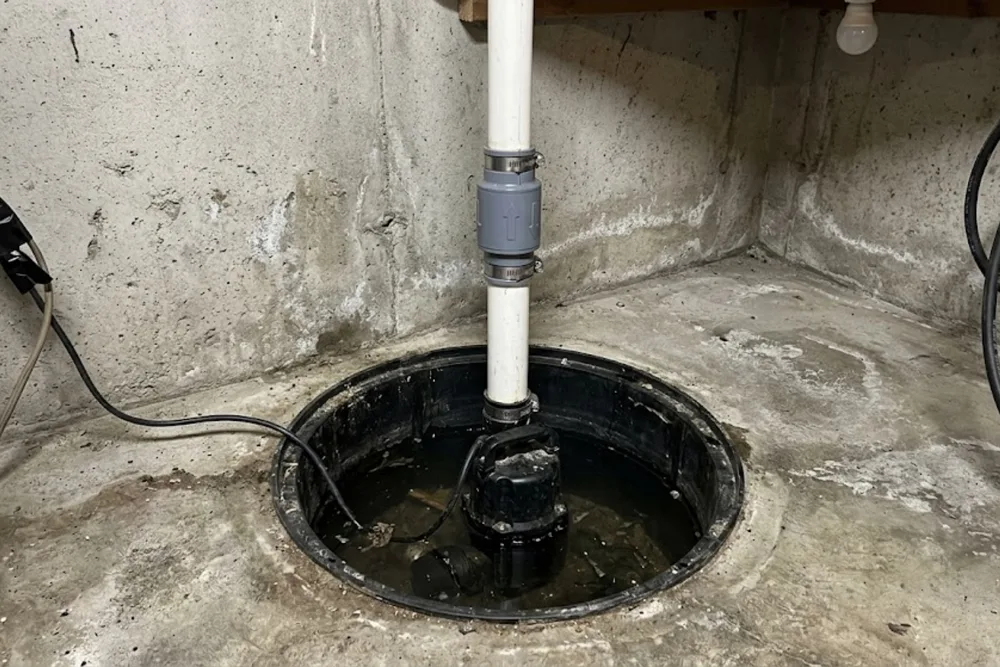
Why sump pumps matter more here during hurricane season
A property with a low-lying yard, a below-grade area, or a history of standing water after heavy rain relies on a working sump pump specifically during the heaviest part of Florida's wet season. A pump that's fine in a normal week can fail exactly when it's needed most, during a sustained heavy rain event, if it hasn't been checked beforehand.
A battery backup system matters more here than in a drier climate too, since the same storms that trigger heavy rain are also the ones most likely to cause a power outage, which is exactly when a pump that only runs on household power stops working.
Common sump pump failures and what causes them
A pump that runs constantly without the water level actually dropping usually means a stuck check valve or a pump that's undersized for the actual water volume it's handling. A pump that doesn't run at all is often a failed float switch, which is a simpler and cheaper fix than replacing the whole unit. We diagnose which situation applies before recommending replacement.
What to do if your sump pump fails during a storm
Move valuables and electronics away from the affected area immediately, and avoid using electrical outlets near standing water. If safe to do so, manually bail water from the pit to slow accumulation until help arrives. Do not attempt to service the pump yourself during active flooding.
Choosing the right pump for the situation
Pump horsepower and switch type both matter more than brand name. A pedestal pump, with the motor mounted above the pit, is easier to service. A submersible pump runs quieter and handles higher water volume, which suits a property with a genuine history of significant water intrusion rather than occasional minor pooling.
For a property with no history of flooding but a low-lying yard that concerns the homeowner, a smaller backup system paired with a French drain or grading fix sometimes addresses the actual water source better than a full sump pump installation would on its own. We look at where the water is actually coming from before recommending equipment.
Testing a sump pump before storm season
A simple test, pouring a few gallons of water into the pit and confirming the pump activates, runs smoothly, and shuts off correctly, takes a few minutes and catches most failures before they matter. We recommend this test at the start of hurricane season specifically, along with a battery backup check if one is installed, rather than waiting to discover a problem during the season's first major storm.
What Actually Affects Cost
- New installation vs repairing an existing pump
- Pedestal vs submersible pump
- Battery backup system addition
- Pit condition and whether a new pit is needed
Most homeowner insurance policies cover a sudden, accidental plumbing failure, a burst pipe, for example, but not gradual wear or a line that failed from ordinary age-related corrosion. That's the honest baseline to plan around rather than assume coverage applies.
Want your real number for this job? Call (954) 697-4920.
Related Services in Pompano Beach
A sump pump failure that's already let water into the house is a water damage restoration situation for the cleanup, separate from fixing or replacing the pump itself. For a property considering a sump pump for the first time after repeated flooding, that installation conversation starts with leak detection to confirm where water is actually entering, not just adding a pump as a default fix. A pump tied into a septic system's drain field is a rarer case best discussed alongside septic tank pumping.
Sump Pump Installation & Repair Questions
Should I get a battery backup for my sump pump?
For this area specifically, yes, given how often heavy rain and power outages happen together during storm season. A battery backup keeps the pump running through an outage.
How do I know if my sump pump is failing before it actually fails?
Unusual noise, a pump that runs far more often than it used to, or one that runs continuously without the water level dropping are all early warning signs worth checking before the next heavy rain.
Can you install a sump pump where there wasn't one before?
Yes, for a property with a history of standing water or flooding in a specific area, though we look at the actual water source first to confirm a sump pump is the right fix.
How long does a sump pump typically last?
Around 7 to 10 years for a well-maintained pump, though one that runs frequently due to a consistently wet yard may need replacement sooner. Installation follows the same Florida Building Code, Plumbing standard applied to every job on this site.
Can you install a sump pump the same day I call?
For a straightforward installation with an existing pit, often yes. A new pit or more involved drainage work may need a bit more scheduling.
Do all homes in this area need a sump pump?
No, only properties with a genuine history of water intrusion in a low-lying area or below-grade space. A home with no such history and good drainage typically doesn't need one added as a precaution alone.
Can a sump pump be connected to a home generator?
Yes, for a property with a generator already in place, wiring the sump pump into that backup power source is a straightforward addition worth discussing.
Should a sump pump discharge line be checked separately from the pump itself?
Yes, a clogged or frozen discharge line can make a perfectly functional pump seem like it has failed, so we check the full path, not just the pump.