
Septic Tank Pumping in Pompano Beach, FL
Routine pumping and honest signs it's overdue, for the properties in this area still on a septic system rather than county sewer.
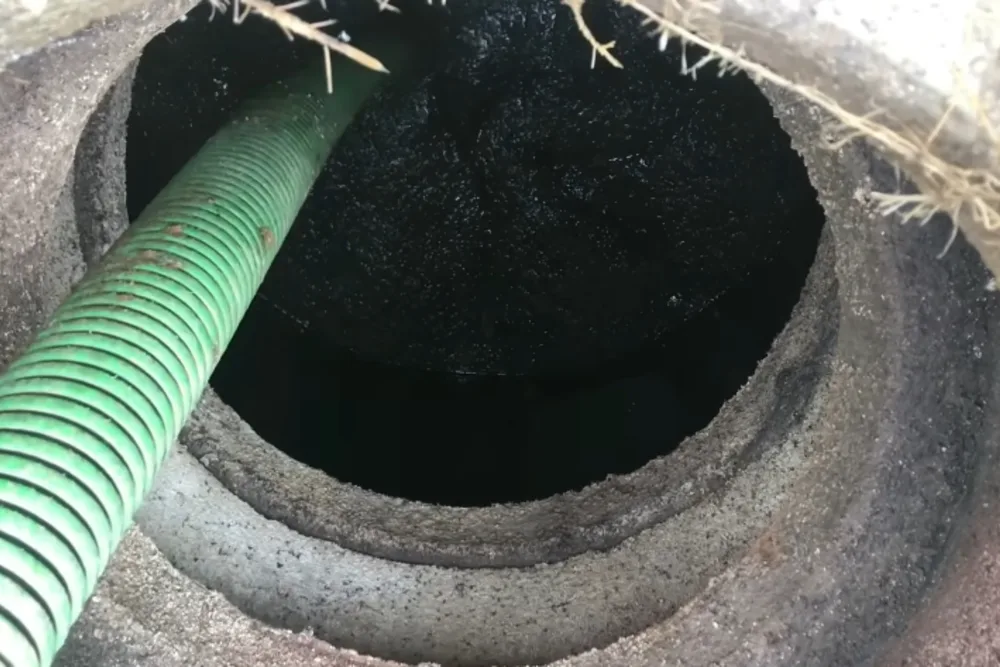
Who this actually applies to in this coverage area
Most of Pompano Beach and its immediate neighbors run on county or municipal sewer, so this service applies to the smaller share of properties, generally older or more rural parcels, still on a private septic system. If a property has a septic tank and drain field rather than a connection to public sewer, pumping on a regular schedule is what keeps it from backing up.
Signs a tank is due for pumping
Slow drains throughout the house with no clog anywhere, a sewage smell near the tank or drain field, unusually lush or soggy grass over the drain field, and gurgling toilets are all signs a tank is reaching capacity. Waiting past these signs risks solids reaching the drain field itself, which is a far more expensive repair than routine pumping.
A typical household tank needs pumping every three to five years depending on household size and tank capacity, though a property with a garbage disposal or larger household tends toward the shorter end of that range.
What to do if a septic system is backing up now
Stop using water in the house, showers, laundry, dishwasher, until the system is checked, since additional water makes an already-full tank back up further. Avoid direct contact with any sewage that's surfaced in the yard, and keep children and pets away from the affected area until it's addressed.
Caring for a septic system between pumpings
What goes down the drains matters more for a septic system than for a home on county sewer, since the tank relies on bacterial breakdown that harsh chemicals, excessive bleach, and non-biodegradable items disrupt. Garbage disposal use should be minimal on a septic system specifically, since food waste adds solids the tank has to process faster than it's designed for.
Keeping heavy vehicles and construction off the drain field area protects the buried pipes from compaction damage, and planting only grass, not trees or deep-rooted shrubs, directly over the field avoids the same root intrusion problem that affects sewer lines elsewhere in this coverage area.
What we check during a pumping visit beyond just pumping
Beyond removing solids and liquids, a thorough pumping visit includes checking the tank's baffles for damage, noting the sludge and scum layer thickness for reference at the next service, and a visual check of the drain field area for signs of failure like unusually wet or sunken ground. Catching an early drain field issue during a routine pumping is far better than discovering it only once it's fully failed.
What Actually Affects Cost
- Tank size and how overdue the pumping is
- Accessibility of the tank lid (buried vs exposed)
- Additional inspection of baffles or drain field condition
- Household size and usage pattern
Most homeowner insurance policies cover a sudden, accidental plumbing failure, a burst pipe, for example, but not gradual wear or a line that failed from ordinary age-related corrosion. That's the honest baseline to plan around rather than assume coverage applies.
Want your real number for this job? Call (954) 697-4920.
Related Services in Pompano Beach
A septic system that's already backing up into the house is a general plumbing repair or drain cleaning & unclogging situation on the house side, separate from the tank pumping itself. A backup severe enough to reach living space becomes a water damage restoration job on top of the plumbing fix. For a property switching from septic to county sewer, that's a larger project outside routine service and worth a dedicated conversation.
Septic Tank Pumping Questions
How do I know if my property is on septic or county sewer?
A septic system has a visible tank access lid somewhere in the yard, usually within 10 to 25 feet of the house, and no sewer connection fee on the water bill. Florida Department of Health regulations set the standard for septic system permitting, which we can help confirm during a visit if unsure.
How often should a septic tank be pumped?
Roughly every three to five years for an average household, more often for a larger household or one with a garbage disposal in regular use.
What happens if a septic tank isn't pumped in time?
Solids can reach the drain field, which is a far more expensive repair than pumping and sometimes requires replacing part of the field itself.
Can I pump my own septic tank?
No, this requires licensed equipment and proper disposal of the pumped waste, which isn't something a homeowner can legally or practically do themselves.
Does a garbage disposal affect how often a septic tank needs pumping?
Yes, regular disposal use adds solids to the tank faster than normal, which typically shortens the interval between pumpings for a household that uses one heavily.
Can a septic system be inspected as part of a home sale?
Yes, a pre-sale septic inspection, including pumping if it's due, is common practice and something we can schedule directly with either the buyer or seller depending on who is arranging it.
Does septic tank size affect the pumping schedule?
Yes, a larger tank relative to household size stretches the interval between pumpings, which is one factor we account for when recommending a schedule.
Can heavy rain affect septic system performance?
Yes, saturated ground during Florida's wet season can slow drain field absorption temporarily, which sometimes makes an already-full tank's symptoms more noticeable.
Is septic tank pumping messy or disruptive to a household?
Minimal disruption. Access is through the exterior tank lid, with no need to enter the home at all during a routine pumping visit.