
Septic vs Sewer: What Broward County Area Homeowners Should Know
Most homes in this area are on county or municipal sewer service, but a real share of properties, often older or more rural parcels, are still on a private septic system entirely. Here's what that difference actually means day to day for a homeowner.
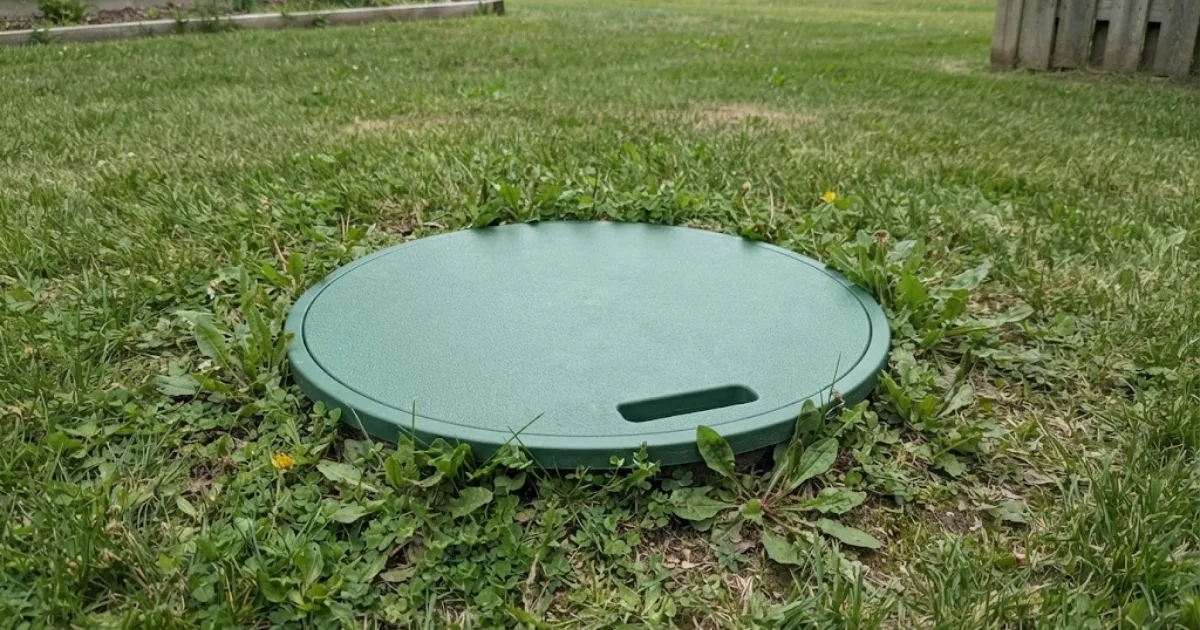
What to do before pumping or repair work on a septic tank
Keep children and pets away from an open tank access lid at all times, and avoid standing directly over the drain field area during pumping, since equipment and hoses need clear access. Never attempt to open or enter a septic tank without professional equipment, since it poses a genuine safety hazard beyond typical plumbing work.
How to tell which system a specific property has
A septic system has a visible tank access lid somewhere in the yard, typically within 10 to 25 feet of the house, and there's no sewer connection fee listed on the water bill. A property on county or municipal sewer will show that connection fee clearly, and there's no tank or drain field to maintain on the homeowner's side of the property line. Septic system permitting in Florida follows the standard set by the Florida Department of Health.
What each system actually requires from a homeowner
A sewer connection requires essentially no ongoing maintenance from the homeowner beyond normal everyday drain care, since the municipal system handles everything past the actual property line. A septic system requires active maintenance: routine pumping every three to five years, mindful use of what goes down the drains, since garbage disposal use and harsh chemicals disrupt the tank's bacterial breakdown process, and keeping the drain field area clear of heavy vehicles, structures, and deep-rooted plants.
Cost differences worth understanding
Sewer service comes with an ongoing monthly or quarterly fee built directly into the regular water bill, predictable and consistent from cycle to cycle. Septic has no recurring utility fee, but periodic pumping and occasional drain field maintenance are real costs a sewer-connected homeowner never has to budget for.
Signs a septic system needs attention
Slow drains throughout the house with no clog anywhere, a sewage smell near the tank or drain field, unusually lush or soggy grass over the drain field, and gurgling toilets all signal a tank reaching capacity. Waiting past these signs risks solids reaching the drain field itself, a far more expensive repair than routine pumping would have been.
What happens during a pre-purchase inspection
For a home sale involving a septic system, a pre-purchase inspection typically includes pumping if it's due, a check of the tank's condition and baffles, and a visual assessment of the drain field for signs of failure. This is worth arranging regardless of which side of the transaction someone is on, since a failing septic system is a significant, and sometimes hidden, cost to inherit.
What happens during an actual pumping visit
A service truck accesses the tank through its lid, pumps out both liquid and accumulated solids, and a technician typically checks the tank's baffles and overall condition while it's open. Most residential pumpings take well under an hour once the truck is on site, though locating and exposing the tank lid can add time on a property where it's been covered by grass or landscaping over the years.
What happens if a septic system is neglected for too long
Beyond the immediate backup risk, a severely neglected septic system can suffer drain field failure, where the soil itself becomes so saturated with solids that it can no longer properly absorb and filter wastewater. Drain field replacement is a significantly larger and more expensive project than routine pumping, involving excavation and sometimes relocating the field entirely, which is exactly the outcome regular pumping is meant to prevent.
Related Reading
For the full detail on pumping schedules and what a service visit actually involves, septic tank pumping covers the specifics. If a septic issue has caused a backup inside the house, general plumbing repair addresses that side of the problem. Coverage includes Pompano Beach and the surrounding cities on the service area page.
Septic vs Sewer Questions
Can a property be switched from septic to county sewer?
Yes, though it's a genuinely significant project involving connection fees and often real excavation work, worth a dedicated conversation rather than just a quick phone estimate.
Is septic worse for the environment than sewer?
A well-maintained septic system, pumped on schedule, functions safely and isn't inherently worse. Problems arise specifically from neglected maintenance, not from the septic approach itself.
Does a garbage disposal cause problems on a septic system?
Heavy garbage disposal use adds solids to a septic tank faster than it's designed to process, which shortens the interval between necessary pumpings.
How do I find out if my property has ever had septic issues?
Prior service records, if available from a previous owner or a past service provider, are the best source. Absent that, a full inspection establishes the system's current condition regardless of its history.
Can a septic system serve a home with a pool?
Yes, though backwash water from pool filtration should never be routed into a septic system, since the chemicals involved can disrupt the tank's bacterial processes.
Does rain affect when septic pumping should be scheduled?
Heavy, sustained rain can temporarily worsen symptoms in an already-full tank, but it doesn't change the underlying pumping schedule, which is based on usage and tank capacity.
Are septic additives or treatments worth using?
Most plumbing professionals don't recommend relying on additives as a substitute for regular pumping, since there's limited independent evidence they meaningfully extend the interval between services.
Can a septic tank be too small for a household that's grown?
Yes, a tank sized for a smaller household years ago may need more frequent pumping or even a capacity upgrade if household size has genuinely grown since installation.
Is there a best time of year to schedule septic pumping?
Outside of hurricane season is generally preferable, since scheduling is more flexible and the ground isn't already saturated from heavy seasonal rain.
Can a septic system be inspected without pumping if pumping isn't due?
Yes, a visual inspection of the tank, baffles, and drain field area can be performed independently of a full pumping service when pumping isn't yet needed.