
Why Is My Water Bill So High? Common Causes in Older Homes
A sudden spike in the water bill is one of the most common, and most overlooked, early signs of a real plumbing problem. Here's what usually causes it in this area's older housing.
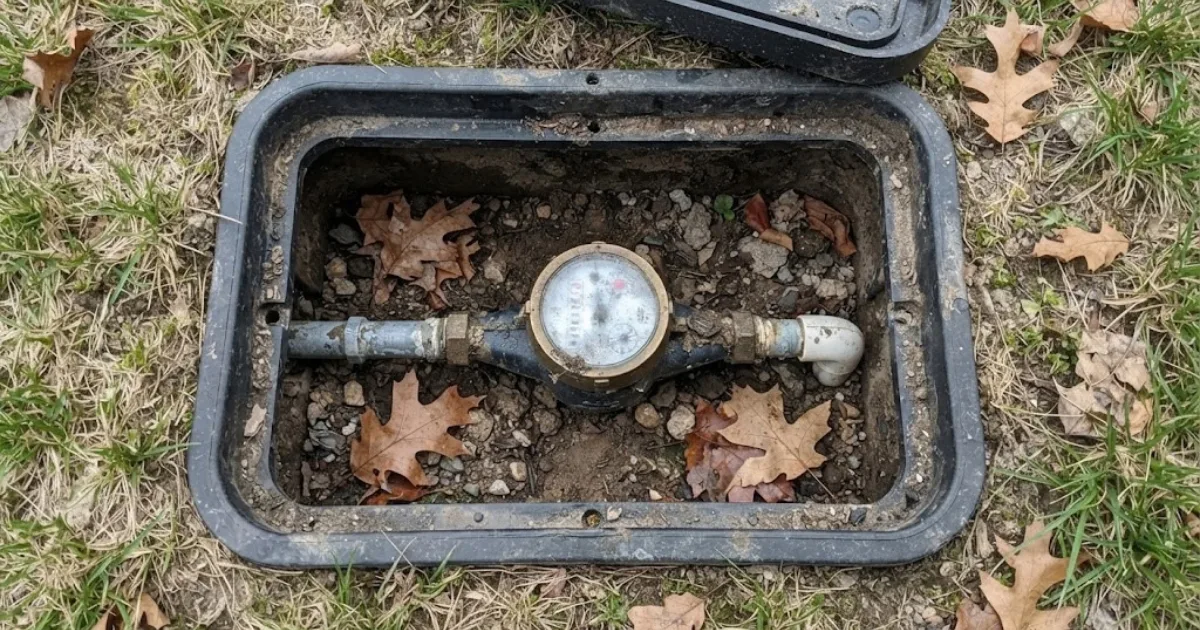
Start with the meter, not the bill
Before assuming a leak, check the water meter directly. Most meters have a small leak indicator, often a triangular or star-shaped dial, that moves whenever water is flowing anywhere in the house. With every fixture off, that indicator should be completely still. If it's moving, water is going somewhere, whether or not anyone can see it.
The most common culprits, from simple to serious
A running toilet is the single most common cause of an unexplained bill increase, and often the easiest to fix, usually a worn flapper valve that isn't sealing properly against the flush valve seat. A toilet that runs continuously can waste hundreds of gallons a day without ever overflowing or making an obvious sound loud enough to notice casually. Repairs of this kind follow the same Florida Building Code, Plumbing standard applied to every job on this site.
Beyond the toilet, a dripping faucet, an irrigation line leak, and a slab leak are the next most likely explanations, roughly in that order of how often they turn out to be the actual cause. A slab leak specifically is the one that requires professional detection, since it's invisible until it's caused visible damage.
Why older homes see this more often
Homes built before 1980 in this area commonly still have original cast-iron or galvanized supply lines, which corrode internally over decades and eventually develop exactly the kind of hidden leak that shows up as a water bill increase before anything else. This isn't a sign of poor construction. It's simply the expected lifespan of that pipe material finally catching up.
A simple way to narrow it down at home
Turn off every fixture and appliance that uses water, then check the meter. If it's still moving, something is actively leaking. Next, shut off the water supply to the toilets specifically and check again. If the meter stops, a running toilet is the likely cause. If it keeps moving, the leak is elsewhere, and that's the point to call for a professional check rather than keep guessing.
When to stop investigating and call someone
If the simple checks above don't identify an obvious cause, or if the meter keeps moving with everything off and every toilet isolated, that's the signal a slab leak or another hidden issue is the likely explanation, and it's worth a professional leak detection visit rather than waiting for the next bill to confirm the pattern.
A quick reference for narrowing down the cause
If the meter stops moving once toilets are isolated, the toilet is the cause. If it keeps moving with toilets isolated but stops when the irrigation system is shut off separately, that's the culprit. If it keeps moving regardless of what's isolated inside and outside the house, a slab leak or another hidden supply-line issue is the more likely explanation, and that's the point to call for professional detection rather than continue troubleshooting alone.
Why some leaks never show up on a casual walkthrough
A leak inside a wall cavity, under a slab, or along an underground irrigation line can run for months without producing a single visible sign inside the home. The water either evaporates before pooling, drains away into surrounding soil, or gets absorbed by materials before becoming visibly wet. This is exactly why the water bill, not a visual inspection, is often the very first real evidence something is wrong.
Related Reading
For a deeper look at how professional leak detection actually finds a hidden leak, that page covers the process and equipment involved. If the cause turns out to be the toilet itself, toilet repair & installation covers that fix directly. Margate homeowners dealing with this area's original 1970s plumbing can find more specific context on the local coverage page.
High Water Bill Questions
How much water can a running toilet actually waste?
A continuously running toilet can waste hundreds of gallons a day, which adds up to a very noticeable bill increase over a full billing cycle even though it's often silent enough to go unnoticed.
Can an irrigation system cause a big water bill spike?
Yes, a cracked or disconnected irrigation line underground can run for a long time before it's noticed, since the water often just soaks into the ground rather than pooling visibly.
Is checking the water meter something I can do myself?
Yes, most meters are accessible near the street or property line, and reading the leak indicator with everything off is a simple, useful first check.
How quickly should I act on an unexplained bill increase?
Within a few days is reasonable. It's not usually an emergency, but the underlying cause, especially if it's a slab leak, doesn't improve by waiting.
Can a water softener installation affect my water bill readings?
Only indirectly, through the water used during the softener's regeneration cycle, which is a small, predictable amount and not something that typically explains a significant bill spike on its own.
Should I call the water utility if I suspect a meter error?
It's reasonable to ask the utility to check meter accuracy if all other causes are ruled out, though a genuine meter malfunction is far less common than an actual leak somewhere on the property.
Can a water heater leak cause a high water bill without visible water?
Yes, a slow leak at a fitting or the tank can run into a drain pan or nearby drain without ever pooling visibly, still registering as continuous usage on the meter.
Does a pool have its own separate water meter in this area?
Some properties have a dedicated irrigation or pool meter separate from household use, which can help isolate whether an outdoor system is the source of a bill increase.