
Salt Air and Your Plumbing: Corrosion Risks Near the Coast
Living close to the Atlantic Ocean has real plumbing implications beyond the obvious ones most people think of. Here's what salt-laden air actually does to fixtures, fittings, and outdoor plumbing components over the years.
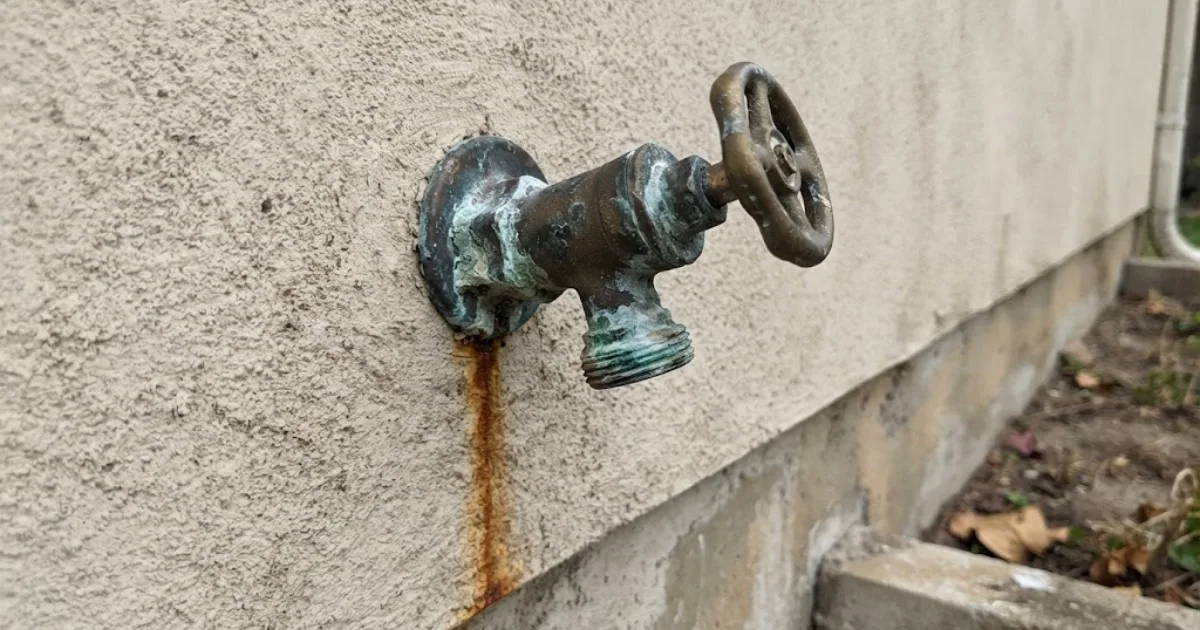
What to do before working on any corroded outdoor fitting
Shut off the water supply to that specific fixture before attempting to clean, tighten, or inspect a corroded fitting up close, since applying force to a weakened fitting can cause it to fail suddenly. If a fitting looks severely corroded, avoid operating it at all until it's been professionally assessed.
Why coastal proximity matters for plumbing, not just for cars
Salt-laden air is well known for accelerating corrosion on cars and outdoor metal fixtures near the coast, but the same chemistry affects plumbing components that are exposed to that air, particularly anything outdoors or in spaces with regular airflow from outside. Homes in Pompano Beach, and especially the canal-front properties in Lighthouse Point, deal with this more consistently than plumbing further inland.
What actually corrodes faster near the water
Outdoor hose bibs, exposed supply lines running along an exterior wall, pool equipment plumbing, and any exposed metal fittings on a dock or seawall are the components that show accelerated wear from salt air specifically. Indoor plumbing is largely insulated from this effect, since it's not directly exposed to outside air the way outdoor fixtures are.
Canal-front and waterfront properties see an additional factor beyond air alone: dock plumbing and any fixtures that come into direct or splash contact with brackish canal water face both the salt-air effect and direct water exposure, which compounds the corrosion timeline.
How to spot early corrosion before it becomes a leak
Green or white powdery buildup on brass or copper fittings, a hose bib that's become difficult to turn or shows visible pitting, and rust streaks running down from an outdoor fitting are all early signs worth addressing before they progress to an actual leak. Catching this early is meaningfully cheaper than waiting for a fitting to fail outright.
Simple maintenance that meaningfully slows the process
Rinsing outdoor fixtures periodically with fresh water reduces salt accumulation, and using marine-grade or corrosion-resistant fittings for any new outdoor installation is worth the modest additional cost given the environment. For dock and pool equipment specifically, an annual inspection catches developing corrosion while it's still a simple fix rather than a failed fitting.
When it's time to call rather than just monitor
A fitting that's become difficult to operate, shows active leaking even if minor, or has visible pitting deep enough to see through the surface layer is past the point of simple monitoring and worth professional attention. Waiting on a visibly corroding fitting usually means dealing with a fully failed one, and the water damage that comes with it, instead.
A note on pool equipment near the coast
Pool pumps, heaters, and the plumbing connecting them face the same accelerated corrosion as other outdoor fixtures near the coast, compounded by chlorinated water's own effect on certain metals. A pool system installed with standard rather than marine-rated components is worth an earlier-than-typical inspection schedule for a coastal property, since the combination of salt air and pool chemistry can shorten component life meaningfully compared to an inland pool.
The dock plumbing consideration for waterfront properties
A dock with a fish-cleaning station, a freshwater washdown hose, or lighting plumbing faces the most direct combination of salt air and water exposure of any fixture on a typical waterfront property. These components benefit from the same marine-grade fitting recommendation as other outdoor plumbing, and an annual check specifically of dock-mounted plumbing catches developing issues before a fitting fails directly over the water, which complicates any repair considerably.
Related Reading
For the deeper connection between this area's housing age and its plumbing patterns, leak detection covers how hidden corrosion gets found before it becomes a bigger problem, and general plumbing repair covers a corroded fitting once it's actually failed. Lighthouse Point, with its extensive canal-front construction, is the city in this network most directly affected by this exact issue.
Salt Air Corrosion Questions
Does salt air affect indoor plumbing too?
Minimally, since indoor plumbing isn't directly exposed to outside air the way outdoor fixtures are. The effect is concentrated on exterior and outdoor-facing components.
Are marine-grade fittings worth the extra cost?
For a coastal or canal-front property specifically, yes. The modest additional upfront cost is usually worth the meaningfully longer service life in this environment.
How often should outdoor fixtures be inspected near the coast?
Roughly once a year is reasonable for most properties, more often for canal-front or waterfront properties with direct water exposure in addition to salt air.
Can corroded outdoor fittings affect indoor water pressure?
If the corrosion is severe enough to restrict flow at an outdoor shutoff or connection point, it can occasionally affect pressure at nearby indoor fixtures, though this is less common than an outright leak.
Do stainless steel fixtures resist salt air corrosion better?
Generally yes, particularly marine-grade stainless steel, though even stainless can show staining or pitting over many years of direct coastal exposure without maintenance.
Is it worth replacing brass fittings with plastic near the coast?
For certain non-structural outdoor applications, yes, since some modern plastics resist salt air corrosion better than standard brass, though a plumber can advise on which fittings are appropriate to substitute.
Does rinsing outdoor fixtures with a hose really help?
Yes, it's a simple, low-cost habit that measurably reduces salt residue buildup on outdoor metal components when done every few weeks.
Do all coastal cities in this area see the same corrosion rate?
Proximity to open water and canal exposure both matter, so a direct oceanfront or canal-front property typically sees faster corrosion than one a few blocks inland.
Can corrosion-resistant fittings be added without replacing everything?
Yes, upgrading specific vulnerable fittings, like outdoor hose bibs, as they need replacement anyway is a reasonable incremental approach rather than replacing everything at once.
Does living further from the water still carry some corrosion risk?
Yes, salt air travels further inland than many people expect, especially with onshore wind patterns, so properties a mile or more from the coast still see somewhat accelerated wear compared to fully inland areas.